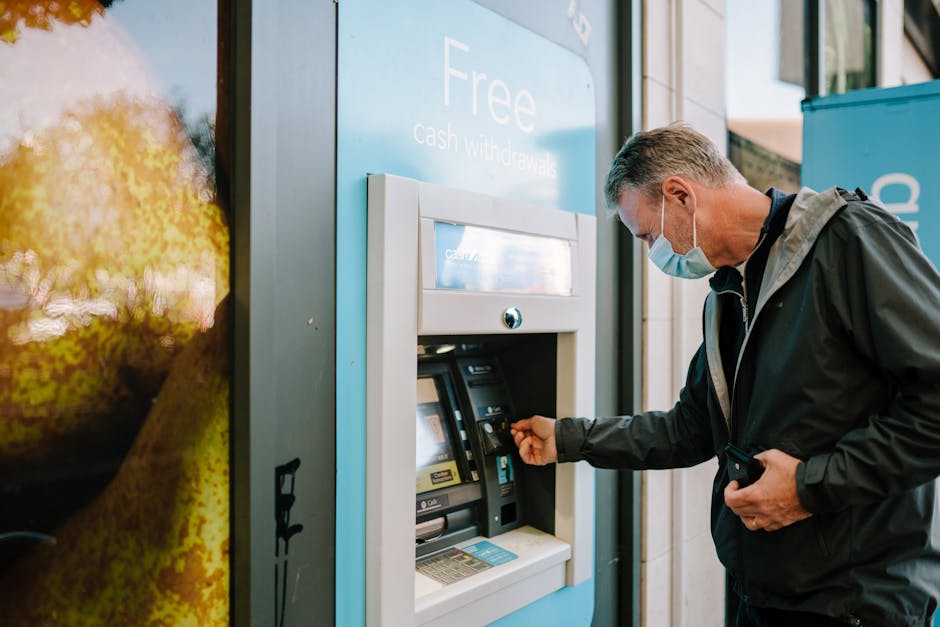
Most Vietnamese ATMs cap foreign-card withdrawals at 2,000,000 to 3,000,000 VND per transaction and charge 22,000 to 55,000 VND for each one. VPBank is the exception, with no ATM-side fee and a limit of 10,000,000 VND in a single withdrawal. The limit is set by the machine's bank, not by Vietnamese law.
Stand at a Vietcombank machine in Da Nang and the highest amount on the screen will be 2,000,000 VND — about £60. Walk ten minutes to a VPBank ATM and the same card will give you 10,000,000 VND in one go, with nothing added on the Vietnamese side.
The advice that circulates on forums and in hostel common rooms — that every ATM in Vietnam caps you at two or three million and you simply have to eat the fee — was accurate around 2018. It is not accurate now, and following it will cost you five or six withdrawals across a two-week trip for no reason.
The 2,000,000 VND ceiling is a bank setting, not a national rule
The State Bank of Vietnam does not impose a single foreign-card withdrawal limit. Each bank configures its own ATM fleet, which is why the ceiling you see ranges from 2,000,000 VND at the most conservative machines up to 10,000,000 VND at VPBank.
Fees follow the same logic. Vietnamese ATM operators charge anywhere from 0 to 55,000 VND per foreign-card withdrawal, and that sits on top of whatever your home bank adds — typically a 2 to 3 percent foreign transaction fee plus a flat non-network charge. On a 2,000,000 VND withdrawal, the combined cost often lands between 3 and 8 percent.
The second piece of outdated advice is the fix people suggest: withdraw the maximum every time so the flat fee is spread over more cash. That works only if the maximum is worth spreading. Pulling 2,000,000 VND for a 55,000 VND fee is a 2.75 percent charge before your own bank has touched it, and you are now carrying a wad of notes around for the privilege.
The better move is to choose the machine before you choose the amount. One correctly chosen withdrawal can replace four badly chosen ones.
Cash used to be the default here. In 2026 it is a niche
The other reason the old advice has aged badly is that Vietnam moved to QR faster than almost anywhere else. QR payment volume surged 150 percent during 2025 according to the State Bank of Vietnam, and the practical result is simple: if a vendor accepts electronic payment at all, they accept a QR scan. Coffee shops, pharmacies, bus stations, laundry counters, mechanics fixing your scooter mirror.
The catch has always been access. The national QR standard, run by NAPAS, is built on Vietnamese bank accounts and domestic apps. Your Visa or Mastercard cannot connect to it, and Apple Pay and Google Pay only work at NFC terminals — international hotels, malls, supermarkets, chain cafes. MoMo needs a Vietnamese phone number, and since Circular 41/2025 new e-wallet registrations also require biometric verification. ZaloPay wants a Vietnamese ID document. A standard Vietnamese bank account needs a long-term visa, work permit or Temporary Residence Card, none of which a 45-day exemption or 90-day e-visa gets you.
That gap is what LocalPay closes. It is a non-custodial wallet — your funds stay under your control — that you top up with the Visa or Mastercard already in your pocket, or with Apple Pay or Google Pay, and then use to scan and pay at any QR merchant in Vietnam. No Vietnamese bank account, no local SIM, no residency card. It is on the iOS App Store and Google Play, and it is backed by Colosseum.
Cash still genuinely wins in a few places, and it would be dishonest to pretend otherwise. Remote stretches of the Ha Giang loop, small island guesthouses, some inter-province minibus conductors and the odd rural petrol pump are cash-only — not QR-patchy, just cash-only. Budget for those specifically, in one trip to the right machine, and let QR handle the other 95 percent.
Step-by-step
Six things that change the maths at a Vietnamese ATM
- VPBank: no ATM fee for foreign cards, up to 10,000,000 VND per transaction. This is the single biggest lever you have and it costs nothing but a short walk.
- Agribank, Vietcombank and BIDV machines are everywhere but commonly cap foreign cards at 2,000,000 to 3,000,000 VND and charge in the 22,000 to 55,000 VND band per withdrawal.
- Standalone ATMs in hotel lobbies, airport arrival halls and tourist streets are frequently operated by third parties with the highest fees and the most aggressive conversion prompts. Use a branch machine instead.
- Your daily card limit and the ATM's per-transaction limit are two different things. Some banks let you run several withdrawals in a day — each one triggers a fresh fee, so the per-transaction ceiling is what matters.
- Airport exchange counters at Noi Bai and Tan Son Nhat give a worse rate than a fee-free ATM withdrawal in almost every case. Gold shops in Hanoi's Old Quarter give a better rate than both, but bring clean, unmarked notes.
- Count the notes at the machine before you walk away, and keep the receipt if the amount is short — Vietnamese banks investigate ATM discrepancies but want the transaction reference.
So the honest answer to how much you can take out is: between 2,000,000 and 10,000,000 VND, and the difference is entirely down to which logo is on the machine. Choosing the right one turns five withdrawals into one and removes 200,000 VND or more of pure fee from a two-week trip.
The bigger saving comes from needing the ATM less often. Download LocalPay before you fly, top it up with the card you already carry, and you can scan and pay at merchants across Vietnam without a local bank account, a Vietnamese SIM or a residency card — which leaves the cash in your pocket for the handful of places that genuinely still insist on it.
Frequently asked questions
It depends entirely on which bank owns the machine. VPBank allows up to 10,000,000 VND in a single foreign-card withdrawal, while most other Vietnamese banks cap each transaction at 2,000,000 to 3,000,000 VND. There is no national limit set by the State Bank of Vietnam.
VPBank does not charge a Vietnamese-side ATM fee on foreign card withdrawals, and TPBank is a common second choice. Your own bank at home may still apply a foreign transaction fee of around 2 to 3 percent plus a flat overseas withdrawal charge, so check that separately before you travel.
You need far less than guidebooks suggest. QR payment is accepted almost everywhere in Vietnam that takes electronic payment at all, and QR volume grew 150 percent during 2025 according to the State Bank of Vietnam, but remote areas such as parts of the Ha Giang loop and some island guesthouses remain strictly cash-only. Budget 2,000,000 to 4,000,000 VND in notes for those situations and pay for the rest by scanning.