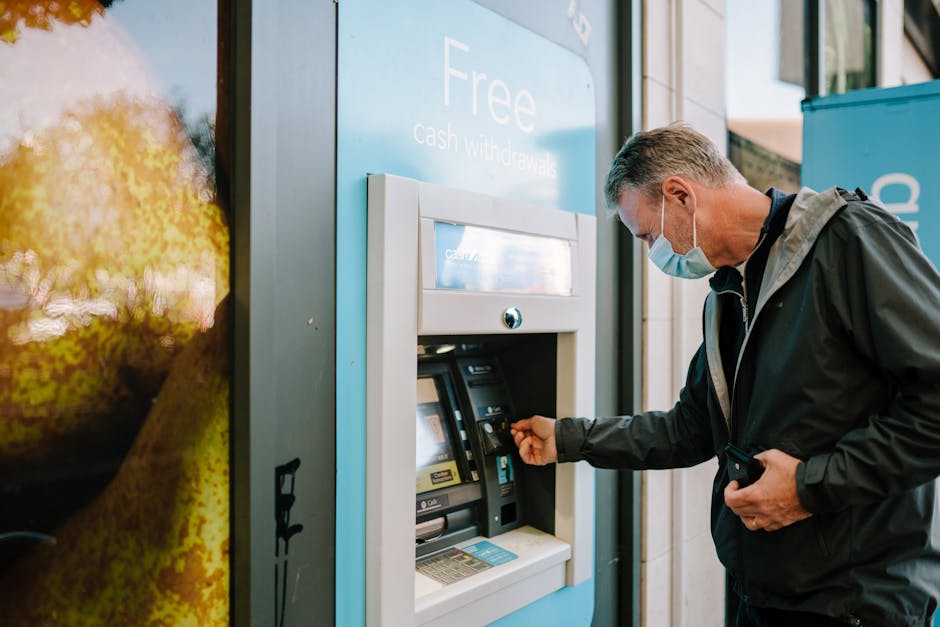
Dive centres in central Nha Trang take payment electronically: international cards at the shopfront, or QR transfer on the spot. Once you leave the city, payment turns to cash. Boat crews, marine park gates and island operators near Whale Island, Binh Hung and Vinh Hy work in banknotes, so carry VND for anything beyond the mainland dive shop.
A snorkelling day trip out of Nha Trang runs around 45 USD per person, roughly 1.1 to 1.2 million VND, and you can almost always pay that at the dive centre counter by card or QR transfer. Everything that happens after the boat pulls away from the pier — gear upgrades, marine park fees, a beer at the island restaurant, the extra fun dive you decide on at lunch — is cash.
That split is the whole story of paying for water sports on this coast. Nha Trang city behaves like a modern payments market; Van Phong Bay, Binh Lap and Vinh Hy behave like 2010.
Book Online and the Payment Problem Disappears
Booking a Nha Trang dive or snorkel trip through an operator's own website or a booking platform is the one route where a foreign Visa or Mastercard works without friction. Payment is processed offshore, in USD or your home currency, and you turn up at the pier with nothing left to settle.
This is genuinely the best option for scuba courses. An Open Water course or a multi-dive package in the 135 to 600 USD range — up to roughly 15 million VND at the top end — is a lot of banknotes to carry through a beach town, and paying it online on a card gives you a chargeback route if the operator cancels.
Walking Into a Dive Centre on Hung Vuong
The dive shops clustered around Hung Vuong, Biet Thu and the Tran Phu seafront take walk-ins, and most of them will point you at a printed QR code before they mention a card machine. QR transfer is now the default way Vietnamese businesses collect money, with the State Bank of Vietnam reporting adoption up 150% during 2025.
Here is the catch that catches almost every diver. Vietnam's QR standard runs on NAPAS rails and Vietnamese bank accounts, so a foreign Visa, Mastercard, Apple Pay or Google Pay cannot scan a merchant code at all. Those cards only work at NFC terminals, and a mid-sized dive centre may or may not have one — several in Nha Trang do, usually with a card surcharge of around 3% on top.
This is where a wallet like LocalPay earns its place in your phone. It is a non-custodial app that you top up with the Visa or Mastercard you already carry, then use to pay any VietQR merchant in Vietnam — no Vietnamese bank account, no local SIM, no Temporary Residence Card. You scan the shop's code the same way a Vietnamese customer does, and the 3% card surcharge conversation never starts.
The Boat Is a Cash Economy
Once you are on the water, assume nothing electronic works. Day boats out to Hon Mun, Hon Mot and Hon Tam have no card terminal, frequently no signal, and a crew who handle add-ons in notes.
Budget cash for the predictable extras: wetsuit or full-face mask hire, a second tank, an underwater camera rental, drinks and snacks not covered by the trip price, and a tip for the boat crew. Two to three hundred thousand VND per person covers most of that comfortably.
Bring it in small denominations. Handing a 500,000 VND note to a crew member for a 40,000 VND beer means either a long wait or no change at all, and 10k, 20k and 50k notes are what actually circulate on a dive boat.
Marine Park and Pier Fees
Access fees for the Hon Mun Marine Protected Area and various pier and boarding charges are collected at the gate, in cash, by someone with a receipt book. Some operators fold these into the trip price; plenty do not, and the amount is announced to you at the dock.
Ask when you book whether marine park and pier fees are included. It is a small sum, but it is the one payment on the day that has no electronic alternative whatsoever.
Whale Island, Binh Hung and Vinh Hy: Bring Notes
The better diving on this stretch of coast is often not off Nha Trang at all. Hon Ong, better known as Whale Island, sits in Van Phong Bay about 80km north. Binh Hung and Binh Lap lie south past Cam Ranh, and Vinh Hy Bay is further on into Ninh Thuan province. All three are worth the drive and all three are cash country.
Island and coastal-village operators in these areas typically have no card terminal and, in some cases, no bank QR code either — the owner may simply not accept electronic payment. Homestays bill in cash, boat hire is negotiated in cash, and there is no ATM within a useful distance of a place like Hon Ong.
This is the one situation where ATM cash beats everything else, and it is worth being honest about it. Withdraw before you leave Nha Trang, take out the largest amount your card allows in a single go, and accept the fee once. Vietnamese bank ATM charges for foreign cards typically run 22,000 to 55,000 VND per withdrawal, which is 3 to 8% of a small withdrawal but under 1% if you pull a sensible sum.
Work out your total: accommodation, boat trips, food, transport, plus a buffer of a million VND for the thing you did not plan. Then draw it in one visit rather than three.
Deposits, Courses and the Cancellation Window
Nha Trang dive centres commonly ask for a deposit to hold a place, especially for courses and for boats running to the outer sites. Cancellation policies vary sharply between operators — some refund fully with 24 to 48 hours' notice, others keep the deposit once gear has been booked.
Pay deposits in a way that leaves a record. A card payment on the operator's website or a QR transfer from an app both produce a timestamped receipt; an envelope of cash at a counter does not.
Sea conditions matter here. The northeast monsoon roughs up this coast from roughly November through February, and trips get cancelled at short notice. Get the refund terms in writing before you hand over anything.
The City–Island Split, in Practice
The workable approach for most visitors is to pay electronically for everything on the mainland and reserve banknotes for water and islands. Hotels, restaurants, Grab rides, dive shop counters and the 7-Eleven on Tran Phu all take QR payment, so there is no reason to burn cash on them.
Doing that keeps your notes where they are actually needed. If you settle a 1.2 million VND snorkel booking by scanning a code, that is 1.2 million VND of hard-won ATM cash still in your dry bag for Hon Ong.
It also means fewer ATM trips overall. One large withdrawal before a trip north, rather than a 55,000 VND fee every time you need to pay a restaurant bill, is the difference between losing a few dollars on the week and losing thirty.
Six Things to Sort Before the Boat Leaves the Pier
- Confirm in writing whether the quoted price includes marine park fees, pier charges, gear hire and lunch — the gap between an inclusive and exclusive quote is often 200,000 to 400,000 VND.
- Carry 200,000 to 300,000 VND per person in 10k, 20k and 50k notes for on-board extras and crew tips. Nobody on a dive boat can change a 500k note.
- Ask about the cancellation deadline and get the operator to state it in a message, not verbally. Northeast monsoon swell from November to February cancels trips regularly.
- MoMo and ZaloPay are not realistic backups for a short-stay visitor: MoMo needs a Vietnamese phone number, ZaloPay needs a Vietnamese ID document, and Circular 41/2025 requires biometric verification for new e-wallet registrations in Vietnam.
- If you are heading to Whale Island, Binh Hung or Vinh Hy, withdraw all the cash you need in Nha Trang. There is no dependable ATM once you are out there.
- Photograph your deposit receipt and the operator's name and address before you leave the shop. Disputes over refunds are far easier with a paper trail.
So the answer splits cleanly by geography. In Nha Trang city you can pay for a dive or snorkel booking electronically and should; on the boat, at the marine park gate and out at Whale Island or Binh Hung, cash is the only currency and small notes are the only sensible form of it.
Before your first trip, get a QR-capable wallet on your phone and top it up with the card in your pocket. LocalPay does that job for foreign visitors specifically: non-custodial, funded by Visa, Mastercard, Apple Pay or Google Pay, and usable at any VietQR merchant in Vietnam without a Vietnamese bank account, SIM card or residency card. It is on the iOS App Store and Google Play, and it is backed by Colosseum. Then make one ATM withdrawal for the boat money and stop thinking about it.
Frequently asked questions
Yes, if you book online through the dive operator's website or a booking platform, where a foreign Visa or Mastercard is processed normally. At the shopfront in Nha Trang, some dive centres have an NFC card terminal and usually add a surcharge of around 3%, while others only accept QR transfer or cash. No dive boat in Nha Trang accepts cards on the water.
Take 200,000 to 300,000 VND per person in small notes for gear hire, drinks, camera rental and crew tips, plus extra if marine park and pier fees are not included in your ticket. Boats serving Hon Mun and Hon Tam have no card machine and often no phone signal, so cash is the only option once you have left the dock.
Operators in central Nha Trang almost always do, because QR is now the standard way Vietnamese businesses take money, with adoption up 150% in 2025 according to the State Bank of Vietnam. Small homestays and boat owners around Hon Ong, Binh Hung and Vinh Hy Bay frequently take cash only, and there are no convenient ATMs in those areas, so withdraw what you need before leaving the city.