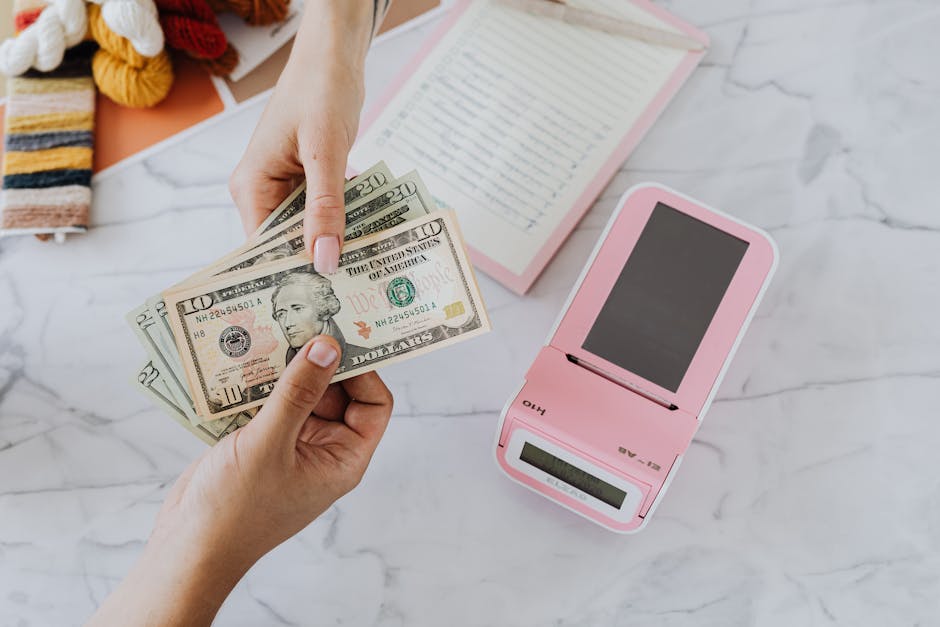
Most Vietnamese spas and massage shops accept QR payment through the VietQR network. As a tourist without a local bank account, you can pay any of them using LocalPay — top it up with your Visa, Mastercard, Apple Pay, or Google Pay before your appointment.
You've just had a 90-minute massage in Hoi An for 200,000 VND and the shop wants payment by QR — but your foreign card does nothing when you scan the code.
This is the standard problem for tourists in Vietnam. QR payments run on Vietnamese bank accounts, and foreign apps cannot connect to them directly. That leaves you scrambling for cash or overpaying at an ATM.
There is a straightforward fix, and it does not require a Vietnamese SIM card, a local bank account, or any bureaucratic paperwork.
Do Vietnamese Spas and Massage Shops Accept QR Payment?
Most do, yes. Anywhere from a small street-front massage parlour in Hanoi's Old Quarter to a mid-range day spa in Da Nang will display a QR code at the counter. It is the standard electronic payment method across the country.
If a place accepts electronic payment at all, it almost certainly accepts QR. The State Bank of Vietnam reported a 150% surge in QR adoption in 2025, and that growth reached well beyond big cities into smaller towns and resort areas.
Cash-only shops do still exist, particularly very small or very local operations. But if you see a QR code displayed — and you will — the issue is not whether they accept it. The issue is whether you, as a tourist, can actually pay it.
Why Can't I Just Scan the QR Code With My Banking App?
Vietnam's QR payment system is built on a domestic standard called VietQR, which links directly to Vietnamese bank accounts. Your UK, US, Australian, or European banking app has no connection to this network.
Apple Pay and Google Pay are in the same position. They work at NFC card terminals — the kind you find at international hotel chains, airport shops, and large supermarkets. A Vietnamese spa's QR code is a different system entirely.
MoMo and ZaloPay are the local e-wallet apps you might read about, but both require a Vietnamese phone number to register, and new accounts now require biometric verification under Vietnamese regulations. For a tourist on a short stay, that is not a realistic option.
What Is the Actual Cost of a Massage in Vietnam?
Prices range considerably. A basic foot or body massage at a local shop runs roughly 100,000 to 200,000 VND (around 4 to 8 USD). Mid-range spas in tourist areas charge 300,000 to 600,000 VND. High-end resort spas can reach 2,000,000 VND or more for premium treatments.
Tipping is appreciated but not expected in the same way as in the US. A tip of 50,000 to 100,000 VND is common for a standard massage. At a luxury spa, 5 to 10 USD equivalent is appropriate if you were happy with the service.
Pro tip: If you tip in cash even when paying by QR, keep small VND notes in your wallet — 50,000 and 100,000 VND notes are ideal.
How Can a Tourist Pay by QR Without a Vietnamese Bank Account?
LocalPay is built specifically for this situation. It is a non-custodial wallet that connects to Vietnam's QR payment network, so you can pay any participating merchant — spa, massage shop, restaurant, whatever — without holding a Vietnamese bank account or SIM card.
You top up LocalPay using your existing Visa, Mastercard, Apple Pay, or Google Pay. Once funded, you scan the merchant's QR code and pay in VND directly. No cash required.
You do not need a Vietnamese phone number to register. You do not need a Temporary Residence Card. Download it from the iOS App Store or Google Play before your trip, top up, and you are ready before you even land.
Should I Carry Cash to Vietnamese Spas Just in Case?
It depends on the type of place. Very small neighbourhood massage shops — the kind with plastic chairs and no signage in English — are more likely to be cash-only. If you are heading somewhere like that, having 200,000 to 300,000 VND in cash makes sense.
Any spa with a reception desk, a treatment menu, or a QR code visible at checkout will almost certainly accept electronic payment. LocalPay covers all of those.
ATM fees in Vietnam typically run between 22,000 and 55,000 VND per withdrawal, and on small amounts the effective cost can reach 8%. Withdrawing cash purely to pay a 150,000 VND massage is a poor trade.
Is LocalPay Safe to Use for Spa Payments?
LocalPay is a non-custodial wallet, meaning you hold your own funds at all times. The app does not hold your money on your behalf — you remain in control of your balance.
It is backed by Colosseum and is available on both iOS and Android. For routine payments like spa visits, coffee shops, and restaurants, it functions the same way a local Vietnamese person would pay — by scanning a QR code at the counter.
You are not sharing card details with the merchant and not handing over cash. For repeated small payments across a trip, that combination of convenience and control is hard to beat.
“A tourist without a Vietnamese bank account has no native way to pay a VietQR code — LocalPay closes that gap without a single piece of local paperwork.”
Tips for Paying at Vietnamese Spas as a Tourist
- Top up LocalPay before you leave your hotel so you are not fumbling with an app at the checkout desk.
- Keep a small float of VND cash for cash-only neighbourhood shops and for tipping — 50,000 and 100,000 VND notes are the most useful.
- Check the spa's price list before your treatment starts. Prices vary enormously between local shops and tourist-facing spas in the same street.
- If a spa displays a QR code at the counter, you can pay it with LocalPay — you do not need to ask whether they accept it.
- For tips at high-end spas, 50,000 to 100,000 VND per therapist is standard. At luxury resorts, a little more is appropriate if the service was exceptional.
Most tourists in Vietnam run into this problem at least once — you are at a spa or a restaurant, there is a QR code in front of you, and your foreign bank app does nothing. It is not a technology failure on the merchant's side. It is a gap between international payment systems and Vietnam's domestic network.
LocalPay is the most practical fix available to short-stay tourists right now. Download it from the App Store or Google Play, top up with your existing card, and you can pay any QR-accepting spa, massage shop, or merchant in Vietnam without cash, without a local SIM, and without a Vietnamese bank account.
Frequently asked questions
At large hotel spas and upmarket wellness centres, yes — they usually have NFC card terminals that accept Visa and Mastercard. At most independent massage shops and mid-range spas, card terminals are rare and QR is the standard electronic payment method. LocalPay lets you pay those QR codes using your existing card.
Not necessarily. If the shop displays a QR code, you can pay electronically. Very small local shops with no electronic payment at all are cash-only, so it is worth carrying some VND for those situations. For most spas in tourist areas, LocalPay handles payment without any cash.
Tipping is appreciated rather than mandatory. For a standard massage, 50,000 to 100,000 VND is common. At a luxury spa, the equivalent of 5 to 10 USD is appropriate. Tips are almost always given in cash, so keep small VND notes handy even if you pay the main bill by QR.
Google Pay works at NFC card terminals, which you will find at large hotel spas and international chains. It does not work at the QR codes displayed at most independent massage shops. You can, however, use Google Pay to top up LocalPay, which then lets you pay those QR codes.